Improvising photos and sounds: An audio-visual project

These are notes, sounds and images from a collaboration I worked on with photographer Bénédicte Aboul-Nasr in January 2026.
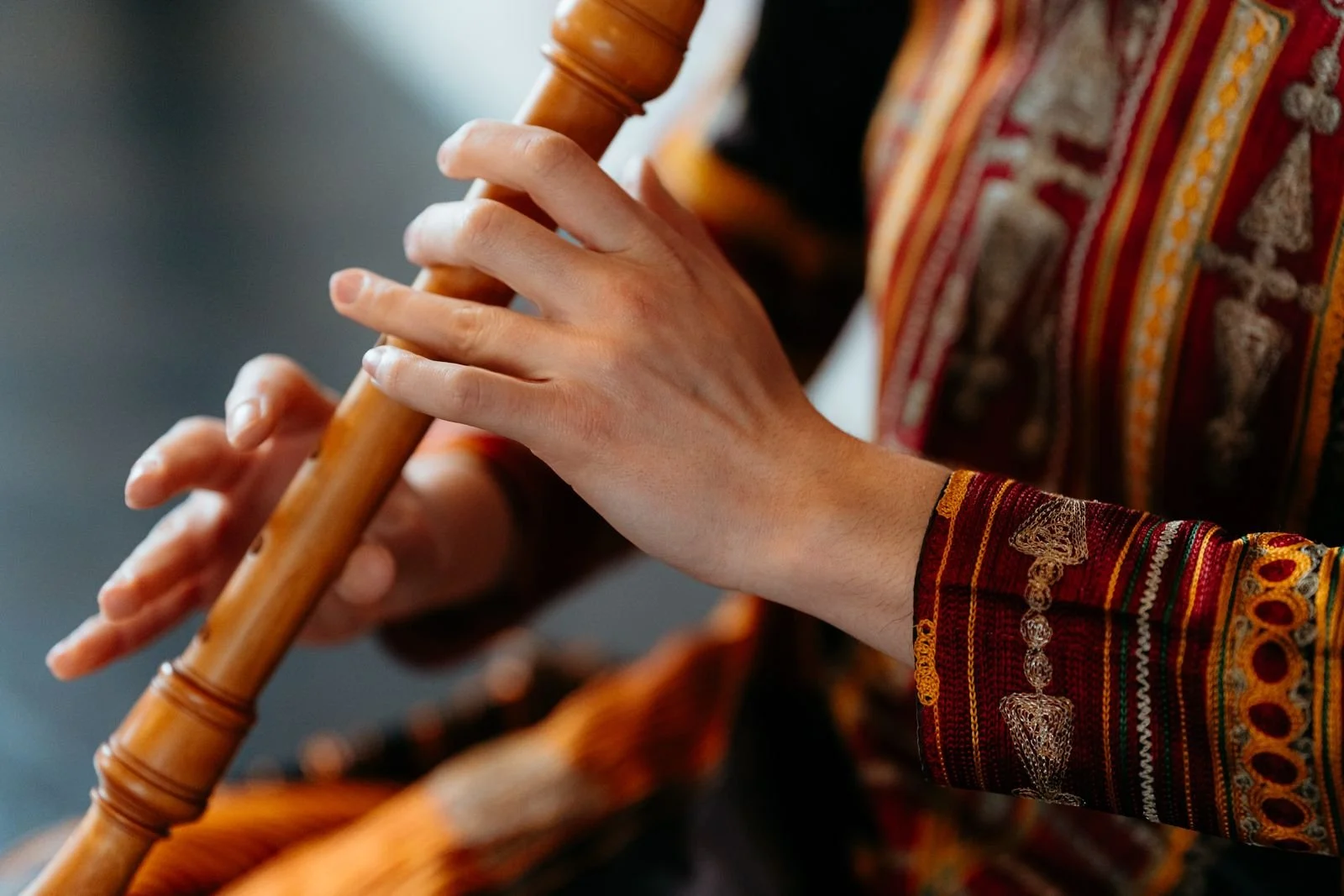
photo by Bénédicte Aboul-Nasr

Bénédicte and I spoke about taking these photos back in November. On a long rainy walk along the Thames, I shared that I often feel uncomfortable and awkward in photos. I said that I wanted to look like myself and not like someone masking for the camera. I really liked the idea of not just being the subject of the photos, but instead being a collaborator, making something together with the photographer, at the same time. So when we met in January to do a photo session, I did what I do - playing the recorder - while Bénédicte did what she does - taking photographs.

I had my friend Syma’s zoom recorder running during the first 22 minutes of our session, and the track above, ‘working together’, pieces together clips of that. You can hear the sounds of me warming up on the recorder, of Bénédicte walking around the dance studio where we met, of us talking, and of me clearing my recorder of condensation. I didn’t do any ‘perfect’ takes of anything during those 22 minutes, so I assumed without even listening to the audio file that it would not be good enough to share alongside the photos, as was our intention. But when I eventually listened, a week later, I just heard two people working together and improvising.
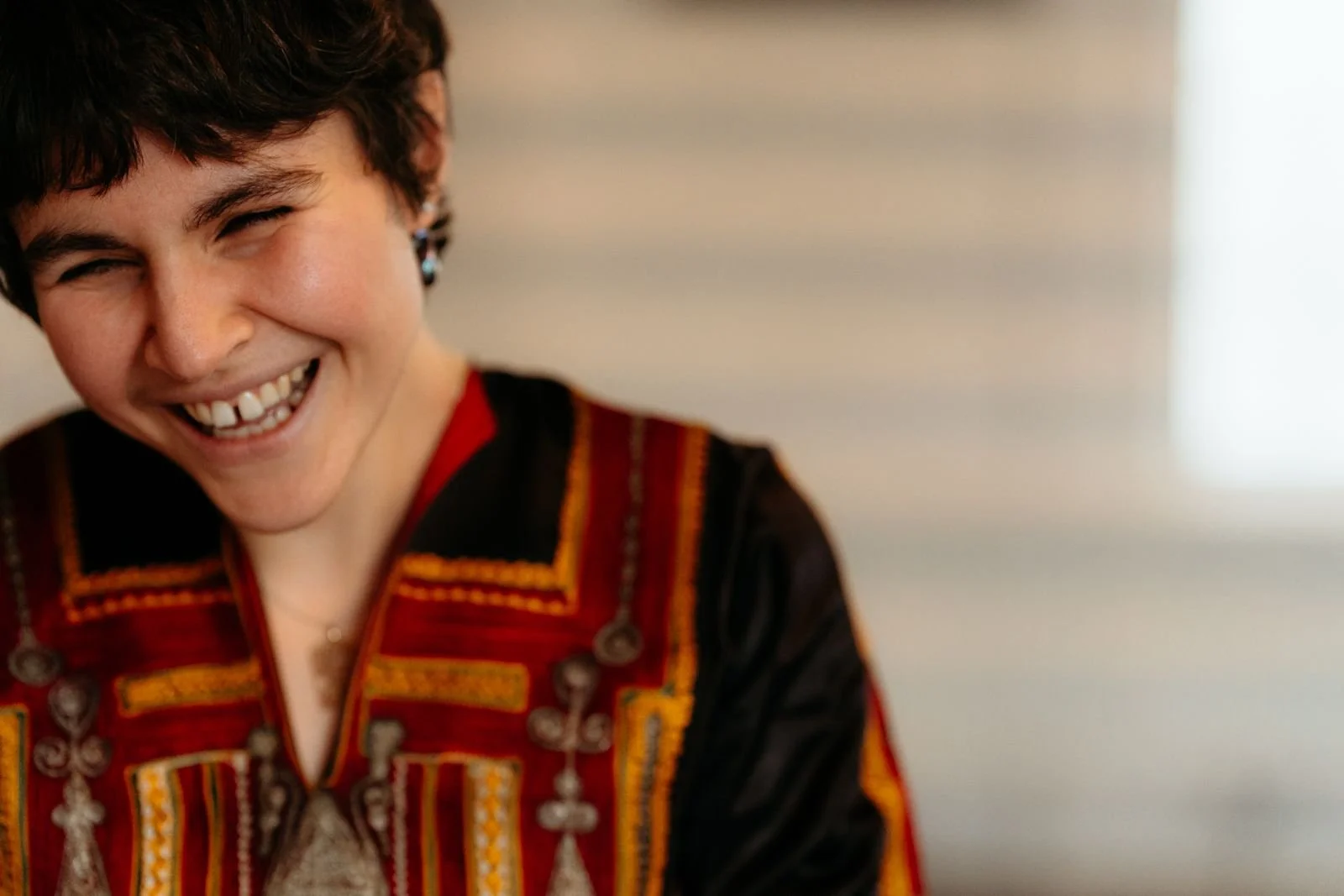
photo by Bénédicte Aboul-Nasr

After I put on the thobe that I’m wearing in some of these photos, Bénédicte and I got into a conversation about Lebanon, and I didn't notice that she was taking photos. When I first saw the photos of us talking, my first instinct was to criticise my unguarded expressions and gestures. It reminds me of my instinct that the recording was bad because it was not curated or ‘finished’, and made me realise how much of improvisation can end up being carefully planned and guarded rather than being a practice of freedom.
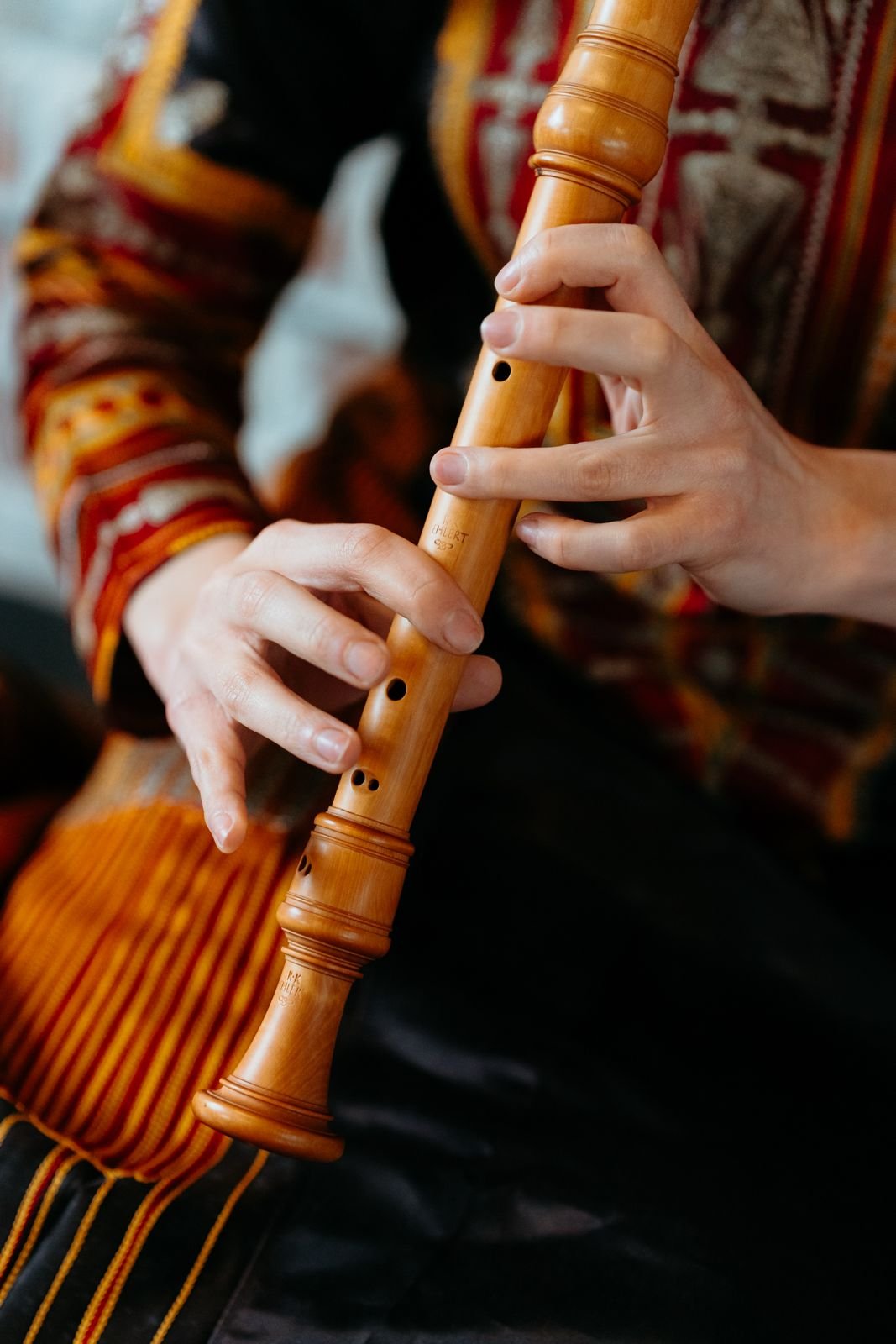
photo by Bénédicte Aboul-Nasr

On our walk in November, Bénédicte and I had spoken about lots of different things - our shared and different experiences of being from bilad ash-sham, coming from a mixed heritage family, and currently living in London. We spoke about what it means to be an Arab artist or musician at this time, and how our work can be co-opted and tokenised, or prop up narratives we never agreed to. We spoke about solidarity and how that actually looks or sounds in practice. 

The thobe I’m wearing in the photo belonged to my great grandmother. She told us she got it in Palestine, but apart from that I don’t know much about it. I rarely wear it, and it’s kept in a suitcase in my wardrobe. On the morning of the photo session, I suddenly decided to bring the thobe with me. I opened the suitcase in a rush and realised there was damp inside, and the thobe had developed some mildew on the surface of the fabric. 
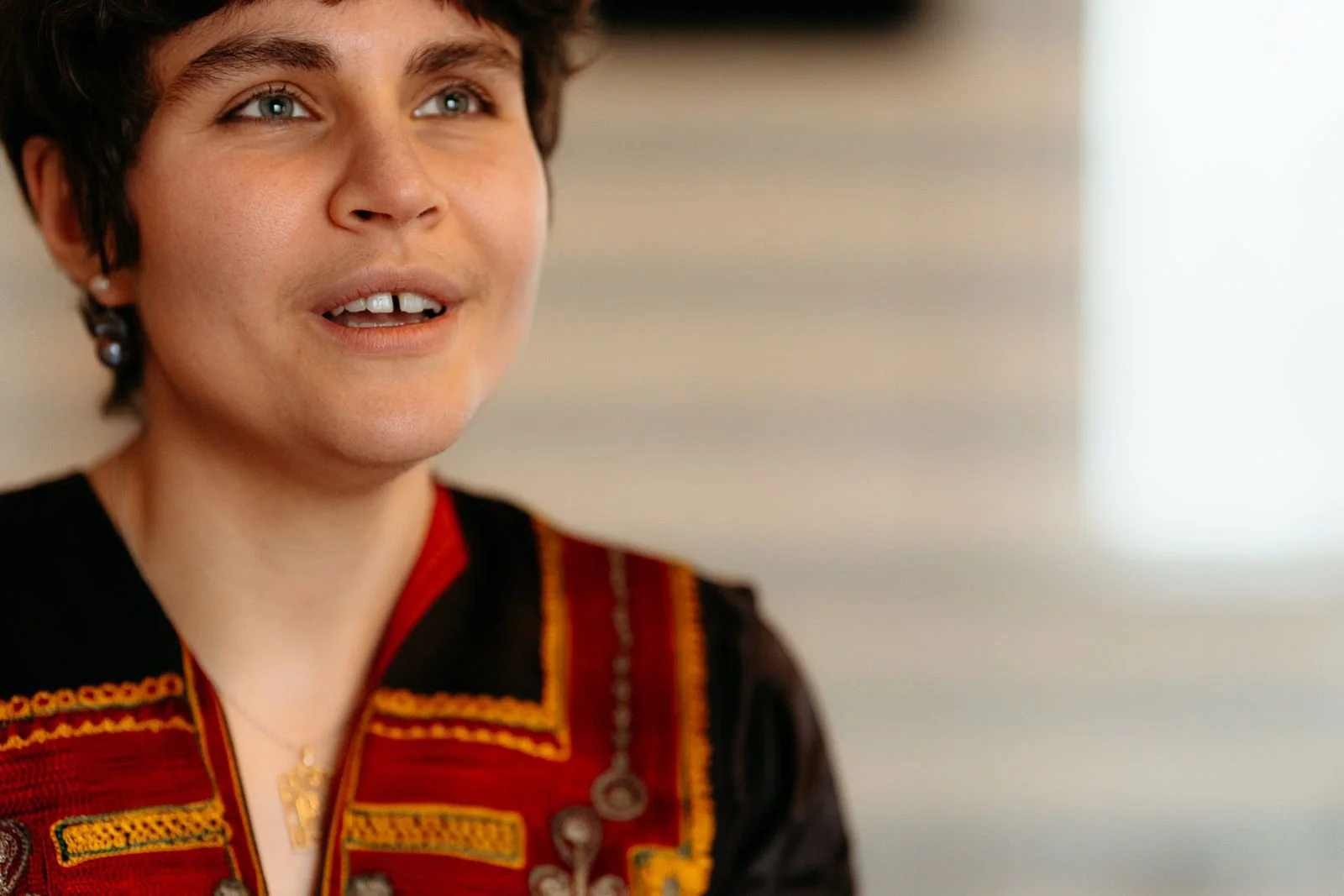
photo by Bénédicte Aboul-Nasr

London is an inescapably cold, damp place in the winter. I recalled the dampness of our walk along the Thames and the rain on the day of the photo session, the dampness of my recorder and my need to constantly clear it from condensation when my warm breath hits the cold wood. Even this thobe and its red, gold and silver threads that had somehow made their way here across the sea, had fallen victim to the weather. Of course, I am being dramatic and I was able to clean it very easily. 
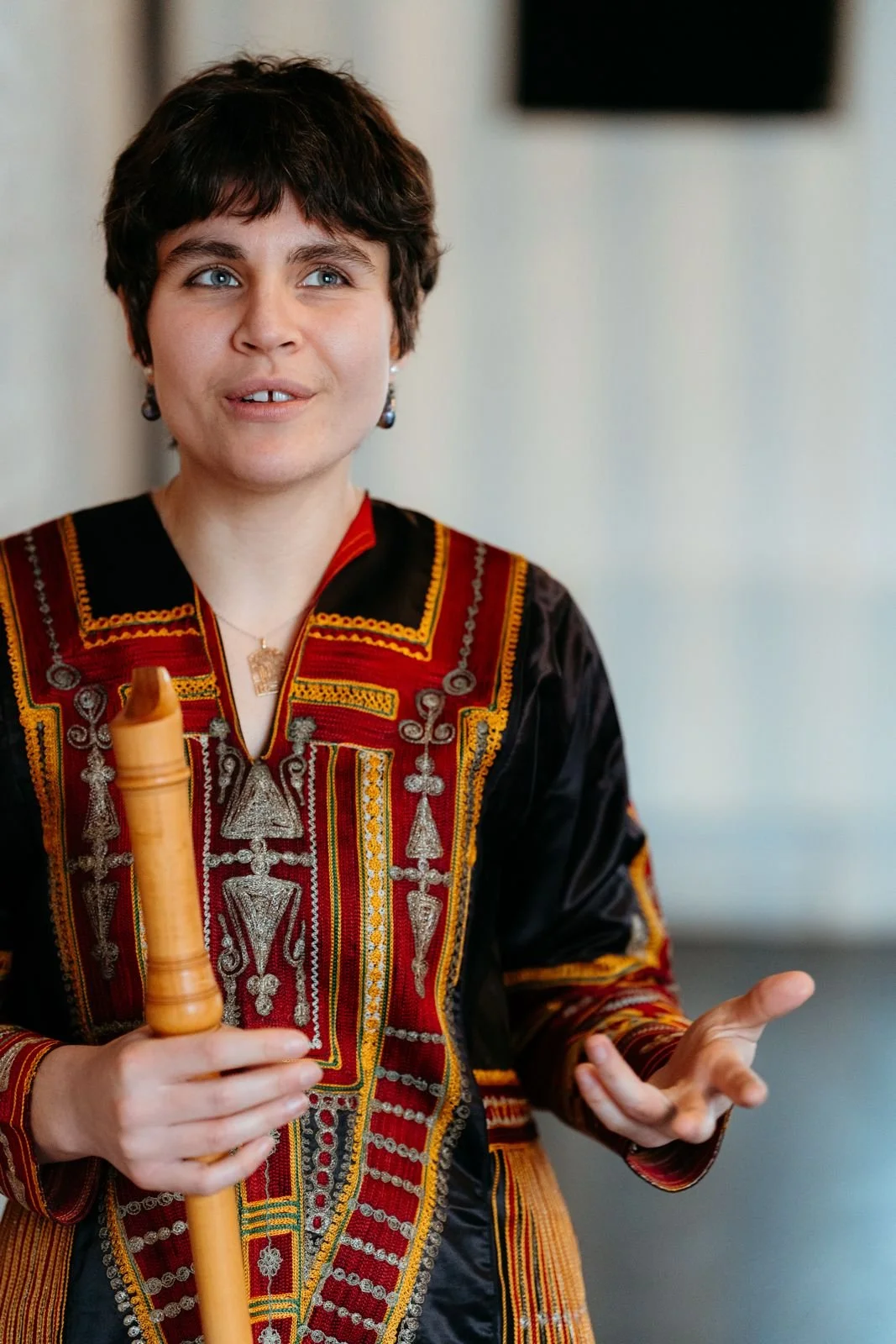
photo by Bénédicte Aboul-Nasr

I am sure that the person who made this dress did not expect it one day to be in Chisenhale dance studio near Mile End station, worn by a woman playing the recorder. I am sure the person who made my recorder did not expect a woman wearing her Palestinian great-grandmother’s dress to be playing a Fairouz song on it. But somehow, these things have all happened. And I am grateful for that, and for these photos that capture that moment of alignment across different stories and sounds.
time to de-spotify

All my music (apart from my album which is on a label so will remain on Spotify) is now removed from Spotify - I’m now on bandcamp and you can listen to my work here.

Here’s the main reasons why I am leaving Spotify (both as a musician and listener):

  1. Spotify exploits artists and barely pays us for our work (we’ve known this for a long time)

  2. Spotify has been running recruitment ads for ICE - the “US government agency” responsible for the violent immigration polices of the current American regime. Can you imagine your voice, your breath in someone’s ear, and the next moment they are hearing the phrase ‘dangerous illegals’? No, I can’t.

  3. The CEO of Spotify, Daniel Ek, has ties to the arms industry including a recent investment in an AI-driven military tech firm Helsing, a German company developing AI for use in warfare, including drone technology. So our music is literally being used to kill and hunt people.

I hope to see you on bandcamp, do head over and give me a follow!

a research manifesto/an autumn walk

Earlier this year, I made a decision to leave a job that I love for a new project that I have wanted to nourish for a long time. Returning to academia has got me reflecting actively on what I do and don’t want from this space. I decided to write a research manifesto for myself, inspired by the Lambeth Community Research Network Charter as well as a feminist writing group I attended during my PhD where we made manifestos as a way to imagine new worlds and words. Originally I just wrote the manifesto down on a big piece of card in the garden, but since starting this Substack I decided to type it up here.

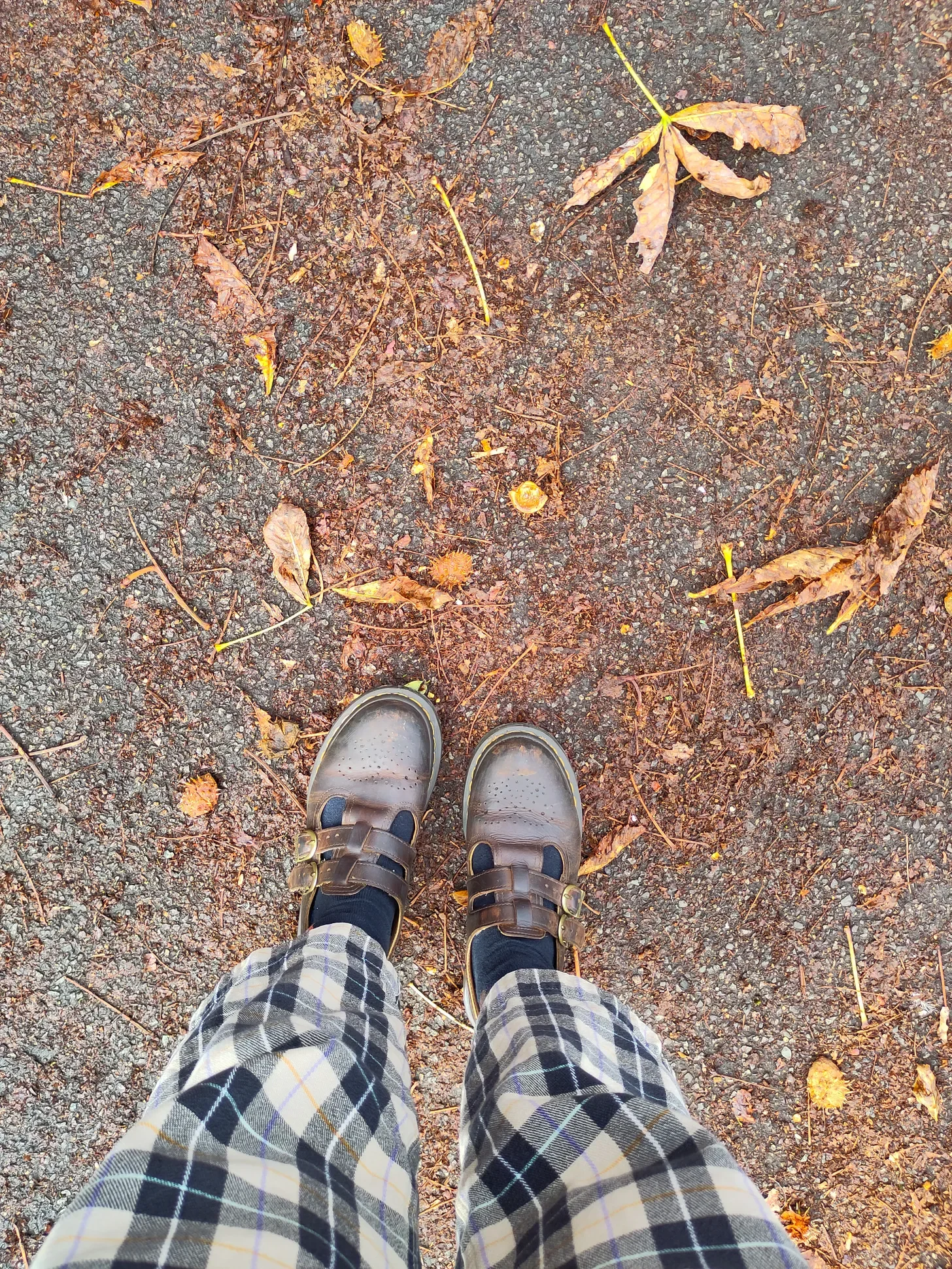
I went for a first autumn walk and it made me feel like new beginnings and fresh stationery and new books. I’m thinking about all the children who don’t get to go back to school this year, who won’t be getting crisp exercise books or a new pencil set. What are we doing?

I’ve started adding a ‘make your own manifesto’ section to any writing workshop/coaching session I lead, partly because I love hearing people boldly articulate their principles and motivations and passions.

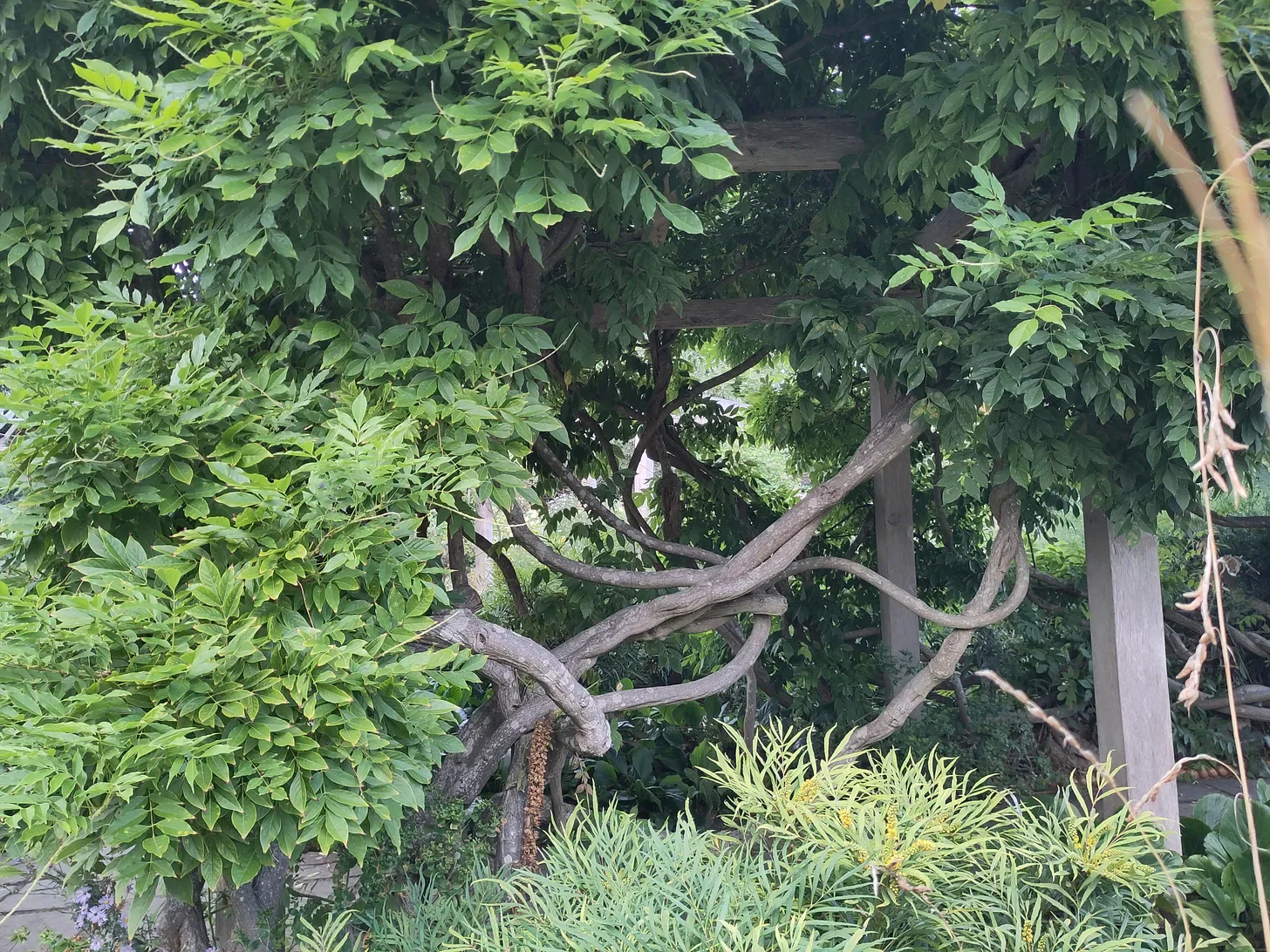
In the garden, I saw a tree whose trunk is knotted together like fingers, like veins, like my brain trying to process more than one sound or thought at a time; yet also unable to function without multiple conversations and directions.

This manifesto is a flow of entwined branches. I think it will be good to revisit them over the next few years.

  1. Write what matters. What matters?

  2. ‘Nothing about us without us is for us’.

  3. Organisations and hierarchical structures are only ever the means. As soon as they become the end, you’ve come to the end.

  4. Who is this for? Who is this not for? Why?

  5. Teaching = learning/learning = teaching.

  6. Whose voices are not being heard?

  7. L I S T E N !

  8. What’s your focus? [my list in this moment: improvisation, music and health, creative health, creative methods, trees, birds, participatory research, health inequalities, healing justice, decolonisation/decoloniality, the present day relevance of how we tell histories, singing, feminism, Islam and muslims, disability justice]

  9. When was the last time you and the people you work with sang or told a story?

  10. Time. How are you using it?

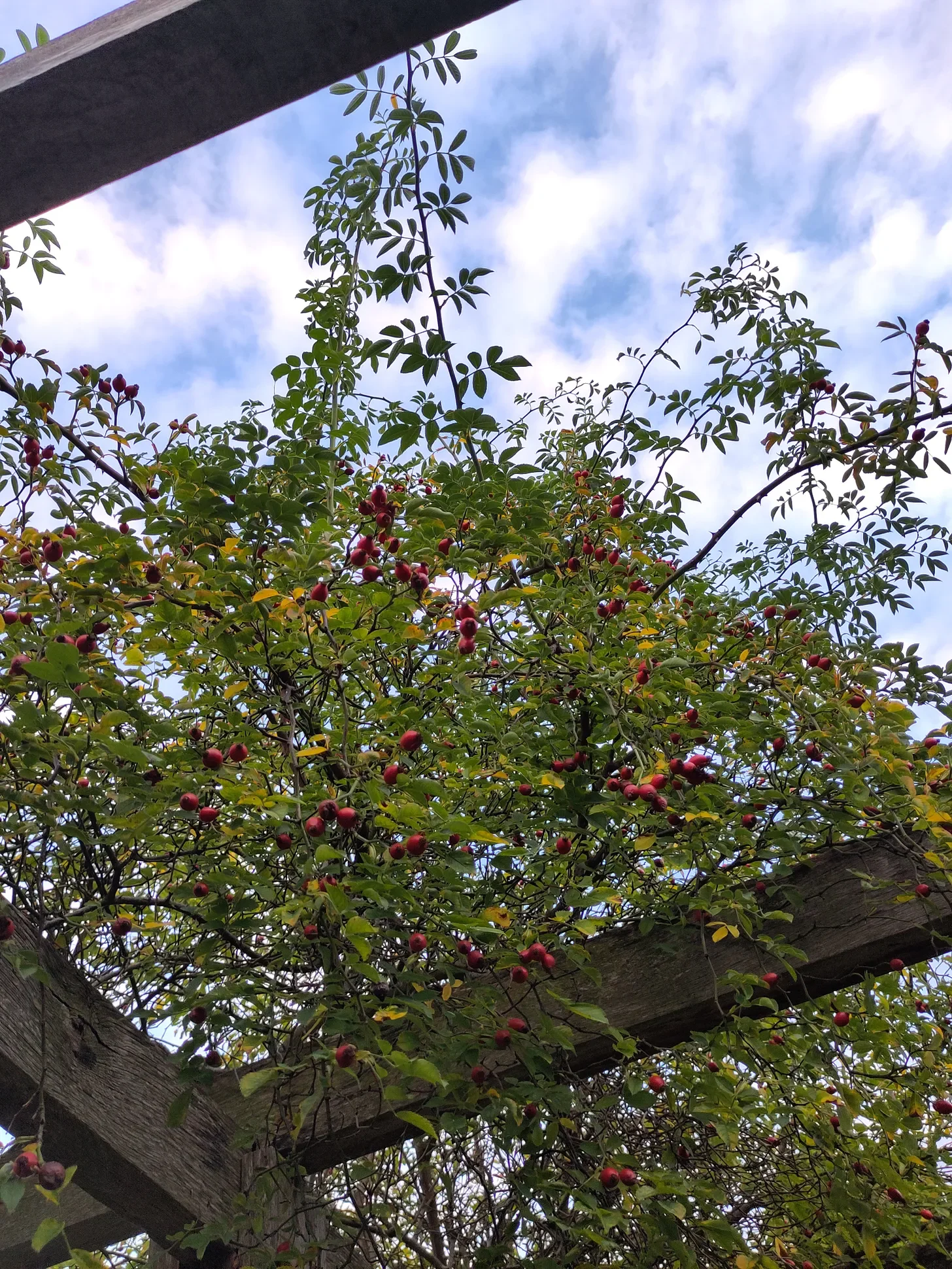
Rosehips shoot up into the sky. Some look back down at the earth and see us.

Did this make you think of writing a research/writing manifesto?

Share it with me please, I’d love to read it!

(you can email it to me flahham993@gmail.com or DM on instagram @fictionalfatima).

Making a research zine

Recently, I co-created a zine as one of my research outputs. It was the first time I had done this, and since I love reading other people's experiences making zines I wanted to share my process.

The zine was about a community based music project about Muslim experiences of music, sound and health. I invited participants to submit artworks, writing, and songs that related to their experiences participating in the group. I also did a thematic analysis of my transcripts from the music sessions, creating some themes for exploration in the zine.

I decided to write out my analysis and quotes from my transcripts by hand in the zine, alongside typed writing to indicate a more formal register (the literature review, for example). I also made illustrations to go throughout.

I included all submissions I received from participants and shared the songs they shared as QR codes. I also included other details like anonymised screenshots of fragments of messages between me and the participants where they had shared a contribution, to represent the process of making the zine.

Once all the submissions were received, I arranged and formatted the whole thing in canva and created a digital version which I shared as a pdf flipbook, and A4 hard copies that I printed at a local print shop.

The final product represents the contributions of everyone in the group, and offers an output that can be engaged with in lots of different ways - from looking at illustrations to scanning the QR codes and listening to songs, to reading. I've received feedback from participants that they enjoyed being part of it and got a new perspective on their own experiences from seeing it represented in the zine. I've also received feedback from others who said they would not have read an academic article but enjoyed engaging with this.

I'm really excited about continuing to use zines as a valuable research output and discovering new ways to share research more widely and engagingly! Recently, the zine was acquired by the Wellcome Collection: https://wellcomecollection.org/works/c38v3rzu

Read it here: https://heyzine.com/flip-book/e274d09eb9.html

Improvising Otherwise: the process of writing my first book!

Yesterday, my first book was published! It’s called Improvising Otherwise and you can read it here.

It was really important to me to publish this work open access, and I thought it would also would be good to share the process of publication for anyone who (like me!) has wondered how it works.

Open access means anyone with internet access can read and download your book for free. Since academic publishing often means inaccessible pricing and gatekept processes around publishing your work, I was really happy to be able to share my work with Open Book Publishers who are a leading independent open access academic press that publishes peer-reviewed work that is completely free for readers to access, with no fees for authors. I originally came across OBP through the wonderful book Acoustemologies in Contact, and I emailed the managing director Alessandra Tosi in March 2024 with a summary of my book proposal, which drew on my PhD research. She replied and said I should share a book proposal and manuscript when it was finished, and that it would then be sent for peer-review. After that, the publishers make a decision on whether or not to publish the book.

I then worked from March-August 2024 on re-writing and revising my PhD research. I found this was a really difficult process, because a doctoral thesis is often extremely tough to go back to and because it was difficult to extract what I wanted without rewriting everything. The tone of a thesis is really different to a book, and it was really important to me that the book could be clear and easily read by anyone interested, not just academics. I returned the manuscript in August 2024, and heard back 5 months later in December 2024 that the book had been accepted for publication, and that I could now go back and do some more edits based on the peer review reports. There were lots of helpful comments in the reports that gave me pointers for changing some bits of my writing, and so the manuscript then went through another editing stage before I returned it in February 2025.

I then worked with OBP editor Adele to revise the manuscript over another few months. I also chose a cover, helped to create the index, and emailed the archives and libraries from where I had used materials to ask permission to use the images. Finally, the book was published yesterday on April 30th 2025. The entire process was really accessible and smooth and I really recommend OBP for anyone who is interested in publishing their work.